SEO can help potential customers discover your products and services when they are actively researching a problem or comparing options. But more traffic does not automatically mean more sales. The strongest strategy connects search intent with useful pages, a trustworthy website, and a clear path to purchase or enquiry.
10 Ways to Use SEO to Support Sales
1. Match pages to customer intent
Understand what searchers want before choosing keywords. Someone searching “what is technical SEO” needs an explanation, while someone searching “SEO services for a small business” may be comparing providers. Create the right page for each intent rather than forcing every keyword onto a sales page.
2. Improve the local search presence
For businesses serving a defined area, complete and maintain your Google Business Profile, keep contact details accurate, choose relevant categories, and request honest reviews from real customers. Create location pages only when you can provide useful, genuinely local information.
3. Target specific, relevant search phrases
Long-tail searches can reveal clearer needs, such as a particular service, industry, location, or budget. Evaluate terms using relevance, intent, competition, and actual business value—not search volume alone.
4. Publish content that answers real questions
Use customer calls, sales conversations, support requests, and search data to plan useful guides, comparisons, FAQs, and case studies. Keep content accurate and updated, and explain the next step when the reader is ready to act.
5. Make mobile journeys easy
Check key pages on real mobile screens. Make navigation understandable, text readable, forms short, and phone or contact actions easy to use. Test the complete journey from landing page to enquiry or checkout.
6. Strengthen on-page SEO
Give each important page a descriptive title, a clear main heading, helpful subheadings, a concise introduction, and relevant internal links. Write image alt text when an image conveys useful information; avoid stuffing keywords into titles, headings, or alt attributes.
7. Improve page speed and reliability
Compress oversized images, limit unnecessary scripts, review caching, and investigate hosting or layout problems. Use tools such as PageSpeed Insights to identify issues, then validate changes on the pages customers actually use.
8. Earn relevant links and mentions
Build relationships through original research, useful resources, industry contributions, and legitimate partnerships. Prioritize relevant editorial links and genuine referral value. Avoid buying links or using large-scale manipulative link schemes.
9. Use paid search data carefully
SEO and pay-per-click advertising can complement one another. Paid campaigns may help test messaging or reveal converting search terms, while organic content can build longer-term visibility. Measure each channel separately and avoid assuming that paid performance will predict organic rankings.
10. Measure leads and revenue, not just visits
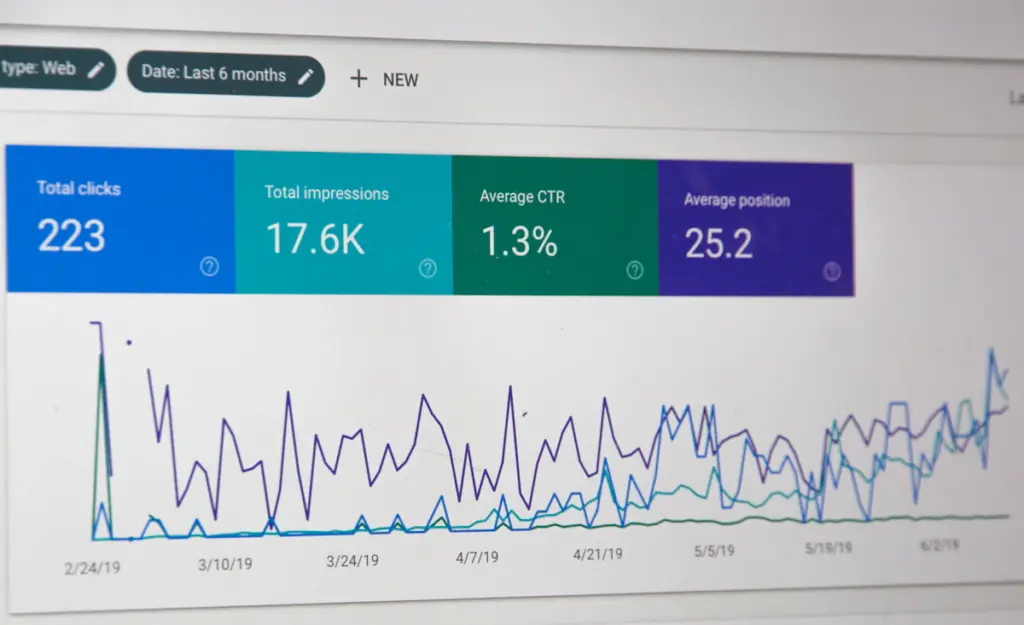
Use analytics and Search Console to understand impressions, clicks, landing pages, and search queries. Where appropriate, track qualified form submissions, calls, purchases, and revenue. Respect consent requirements and privacy obligations when collecting or connecting customer data.
Turn Search Visibility Into a Better Customer Journey
When an important page attracts visitors but few enquiries, review the offer, proof points, page clarity, form usability, pricing information, and call to action. When a page gets impressions but few clicks, check whether its title and description accurately communicate its value. Use small, measurable tests rather than changing everything at once.
How Long Does SEO Take to Affect Sales?
Timing depends on the website’s current condition, competition, content quality, resources, and the changes made. Some improvements can help users immediately, while meaningful organic visibility often takes sustained work. No agency can responsibly guarantee a specific ranking or sales outcome for every business.
How QHR Solutions Can Help
QHR Solutions supports businesses with SEO, website development, content, and paid digital marketing. Start by identifying your business goal, target customers, current conversion baseline, and the pages most likely to influence enquiries or sales. Explore our SEO packages, website packages, and PPC services to understand the available options.
Frequently Asked Questions
Does SEO directly guarantee more sales?
No. SEO can improve discovery and help attract relevant visitors, but sales also depend on your offer, pricing, trust, customer experience, and market demand.
Should I focus on rankings or conversions?
Track both, but connect them to business outcomes. Rankings and clicks are useful diagnostic metrics; qualified leads, purchases, and revenue show whether search visibility is helping the business.
Is SEO better than PPC?
Neither is universally better. SEO can build organic visibility over time, while PPC can provide paid exposure while campaigns are funded. The right mix depends on goals, budget, competition, and how quickly results are needed.