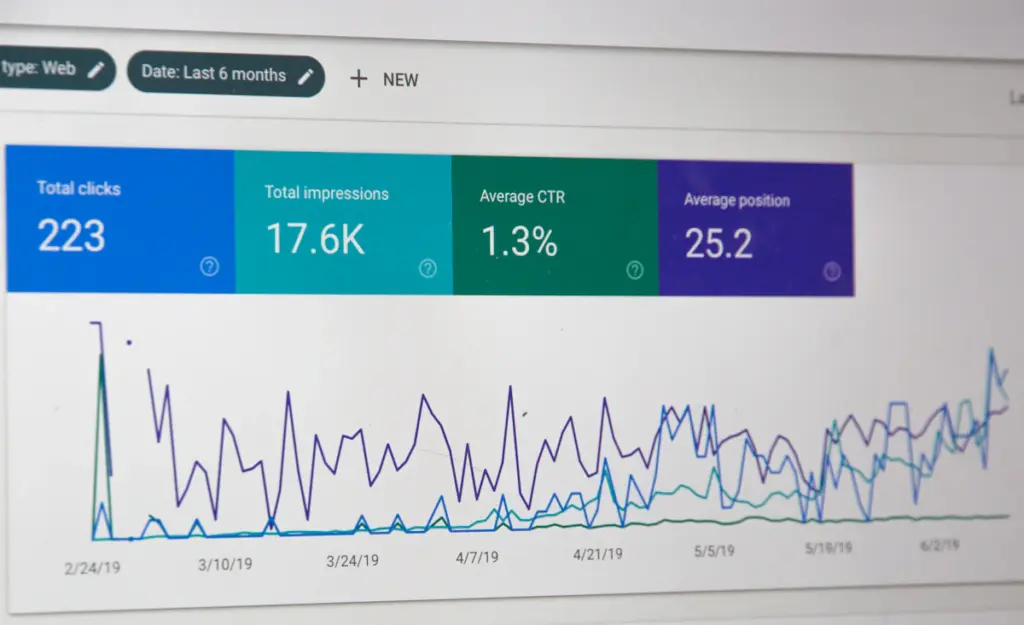
A decline in organic traffic can be worrying, but it does not automatically mean Google has penalised a website or that a particular update caused the change. The first step is to confirm what changed, when it changed, and which pages and queries were affected.
Step 1: Diagnose the change before editing pages
- Compare Google Search Console clicks, impressions, average position, and query/page data across equivalent periods.
- Check whether the decline affects the whole site, one directory, a device type, a country, or a small group of pages.
- Review recent deployments, URL changes, redirects, robots directives, canonical tags, sitemap changes, and server errors.
- Check whether demand is seasonal or a search result layout changed.
- Use Search Console’s manual actions and security reports to check for explicit issues.
Step 2: Review content for people-first usefulness
Look at the pages losing visibility. Do they answer the visitor’s likely question clearly? Are claims accurate and supported? Do they offer first-hand experience, original examples, useful detail, or a distinct point of view? Use our guide to Google E-E-A-T to review experience, expertise, authority, and trust. Remove filler, repetitive sections, keyword stuffing, and unsupported promises. Update content when information is genuinely outdated; changing dates alone does not make a page better.
Step 3: Review site-wide quality and technical health
Check whether important pages can be crawled and indexed, whether internal links point to the correct canonical URLs, and whether navigation makes key information easy to find. Assess mobile usability and page experience, but do not assume that one speed score explains every ranking change. Use our technical SEO checklist to review crawlability, indexation, and site health.
Step 4: Improve and measure in sensible batches
Prioritise pages by business value, traffic loss, and the quality of the opportunity. Record changes, allow time for crawling and reassessment, and compare results over a meaningful period. Avoid making many unrelated changes at once because it becomes harder to identify what helped.
Google’s guidance is the best starting point: creating helpful, reliable, people-first content, Google core updates, and debugging Search traffic drops.
QHR Solutions can help review SEO performance, technical SEO, and website maintenance. Contact our team to discuss a specific traffic or indexing issue.
Frequently asked questions
Does a ranking drop mean a penalty?
No. Competition, demand, search-result changes, technical problems, and ranking system updates can all affect visibility. Check Search Console for manual actions before drawing conclusions.
Can a website recover after a helpful content or core update?
Visibility can improve as a site makes meaningful improvements and Google reassesses it, but recovery is not guaranteed and may not restore previous rankings exactly. When reviewing content quality, also consider Google E-E-A-T principles alongside user needs and evidence.
Should I delete all low-traffic pages?
No. Review each page’s purpose, usefulness, accuracy, and role in the site before deciding whether to improve, consolidate, redirect, or remove it.