What Does SEO Do for a Website?
Search engine optimisation (SEO) helps search engines discover, understand, and present relevant pages to people searching for information, products, or services. Effective SEO starts with the needs of your audience—not simply adding keywords or trying to manipulate rankings.
There is no single change that guarantees top positions or a fixed amount of traffic. Results depend on your website, competition, content quality, technical setup, and how well the pages meet searchers’ needs.
1. Research Topics and Search Intent
Find out what potential customers want to know before they contact or buy from a business like yours. Use customer questions, search suggestions, keyword tools, and competitor page reviews to identify relevant topics. Consider whether people want to learn, compare options, find a local provider, or complete a transaction.
Prioritise topics that match your services and audience. Avoid creating multiple pages that target nearly identical intent unless each page serves a distinct purpose.
2. Create Helpful, Specific Content
Give visitors a clear answer, practical next steps, and enough context to make an informed decision. Explain processes, limitations, costs or cost factors, and common questions where relevant. Add first-hand experience, original examples, or useful data when available, and fact-check claims before publishing.
Use AI tools carefully for research assistance, outlining, or editing, but review the final content for accuracy, originality, and usefulness. Publishing large volumes of repetitive or unhelpful pages is not a sustainable strategy.
3. Improve On-Page SEO
- Page titles: Write a clear, distinctive title that describes the page accurately.
- Headings: Organise content into logical sections that make it easier to scan.
- URLs: Use stable, descriptive URLs and avoid changing established URLs without a clear reason and a proper redirect plan.
- Internal links: Link to related pages using descriptive anchor text so visitors can explore useful next steps.
- Images: Use appropriate file sizes and meaningful alternative text when an image conveys information.
- Calls to action: Make the next step clear on service, product, and conversion pages.
4. Check Technical SEO
Search engines need to access and understand the important pages on your site. Review indexing and crawlability, HTTP status codes, canonical tags, XML sitemaps, robots directives, mobile usability, structured data where relevant, and page performance. Use Google Search Console to investigate indexing and search performance issues rather than assuming every published URL is indexed.
For practical diagnostics, see Google’s SEO Starter Guide and Search Console.
5. Make the Website Useful on Mobile
Ensure text is readable, navigation is understandable, and important actions work on smaller screens. Optimise images and unnecessary scripts, then test key journeys such as enquiries, bookings, and checkout. Use PageSpeed Insights and review Core Web Vitals data where available. A performance score is a diagnostic, not a guarantee of ranking gains.
6. Earn Relevant Mentions and Links
Promote useful resources, build relationships with relevant organisations, contribute expert insights, and create material that others have a genuine reason to reference. Avoid buying manipulative links or participating in link schemes. Relevance and editorial context matter more than chasing a high third-party authority score.
7. Use Structured Data Carefully
Structured data can help search engines interpret eligible content and may make a page eligible for certain search appearances. Markup must accurately reflect visible page content and follow the relevant guidelines. Adding schema does not guarantee a rich result or an appearance in AI-generated answers.
Refer to Google’s structured data introduction for implementation guidance.
8. Measure Outcomes and Improve
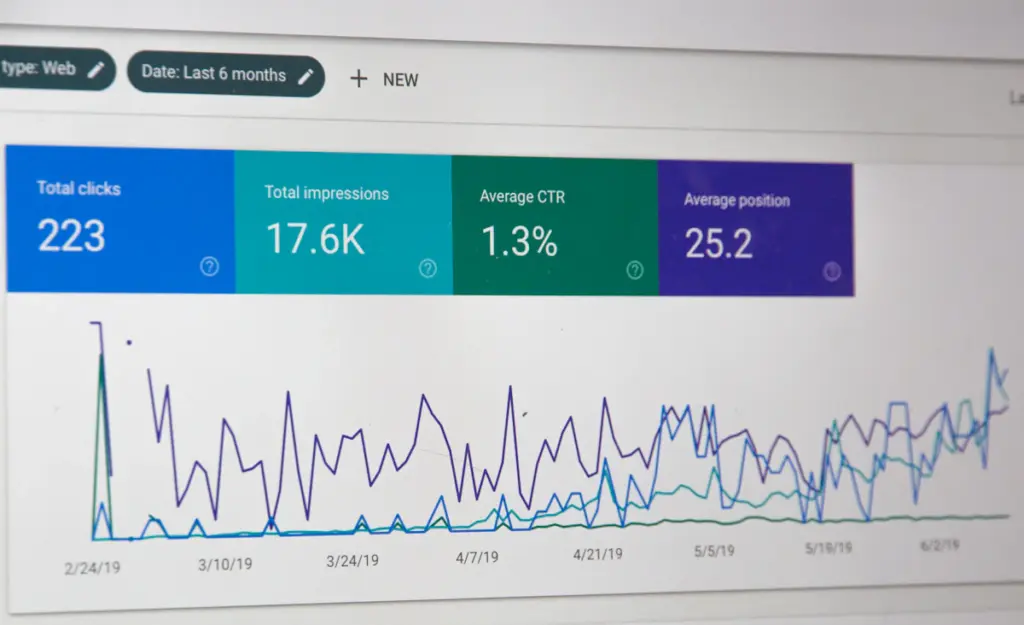
Track impressions, clicks, relevant search queries, landing-page engagement, qualified enquiries, and sales where measurement is available. Compare similar time periods, account for seasonality, and check whether changes were implemented before attributing a result to SEO work. Refresh content when it has become inaccurate or can be materially more useful—not just to change its publication date.
How SEO Supports AI Search Visibility
AI-powered search experiences may draw on web content to answer questions or provide references, but inclusion is not guaranteed. Clear explanations, accurate facts, descriptive headings, accessible pages, and a technically healthy website can help systems interpret content. Focus on making information genuinely useful and verifiable rather than trying to write for a particular AI system.
A Simple SEO Checklist
- Identify the audience and intent for each important page.
- Provide original, accurate information that answers the user’s question.
- Use descriptive titles, headings, and relevant internal links.
- Confirm important pages are crawlable and indexable.
- Test mobile usability, forms, and performance.
- Earn relevant links through useful work rather than manipulative tactics.
- Measure search visibility and business outcomes over time.
Explore our related guides on technical SEO, outdated SEO practices to avoid, and website performance testing. If you need help prioritising improvements for your website, contact QHR Solutions.