SEO keeps changing, but the fundamentals remain consistent: help people find useful answers, make your website accessible to search engines, and build trust through clear evidence of your expertise. In 2026, businesses should also understand how their content may appear in AI-powered search experiences—without treating any single tactic as a ranking guarantee.
1. Build content around real search intent
Research the questions customers ask before they choose a product or service. Create pages that answer those questions directly, explain important trade-offs, and include practical examples. Avoid producing multiple near-identical pages simply to target small keyword variations.
- Use descriptive titles and headings.
- Answer the main question early, then add supporting detail.
- Include first-hand experience, original examples, and accurate information.
- Update outdated facts and remove claims you cannot substantiate.
2. Use AI as support, not a substitute for expertise
AI tools can help brainstorm topics, organize research, and identify content gaps. Review all output for accuracy, originality, relevance, and tone. Publishing large volumes of unhelpful or unoriginal pages can create quality and spam-policy risks; using AI alone does not automatically make content unsuitable.
3. Strengthen technical SEO
Make sure important pages can be crawled and indexed, internal links work, canonical tags are appropriate, and XML sitemaps contain the URLs you want search engines to discover. Check mobile usability and page experience. Use Google Search Console to review indexing and search performance and PageSpeed Insights to investigate performance issues.
Core Web Vitals measure loading, responsiveness, and visual stability. They are useful experience metrics, not a guarantee that a page will rank well or poorly by themselves. See Google’s Core Web Vitals guidance.
4. Demonstrate experience and trust
Provide clear business information, author or reviewer details where relevant, transparent contact options, and sources for factual claims. Publish genuine case studies only when you can verify the results and have permission to share them. Google’s quality-rater concept of E-E-A-T is a useful content-quality framework, not a single score that websites can optimize directly.
5. Improve local search visibility
Eligible local businesses should keep their Google Business Profile accurate, choose relevant categories, maintain consistent business details, and respond professionally to reviews. Ask real customers for honest feedback without offering incentives for positive reviews. Build local landing pages only where you can provide genuinely useful location-specific information.
6. Make pages understandable to search systems and people
Use clear headings, descriptive links, meaningful image alt text, and structured data that accurately reflects visible page content. Structured data can help search engines interpret a page and may make it eligible for certain search features, but it does not guarantee rich results or AI citations. Follow the Google structured data guidelines.
7. Measure outcomes, not just rankings
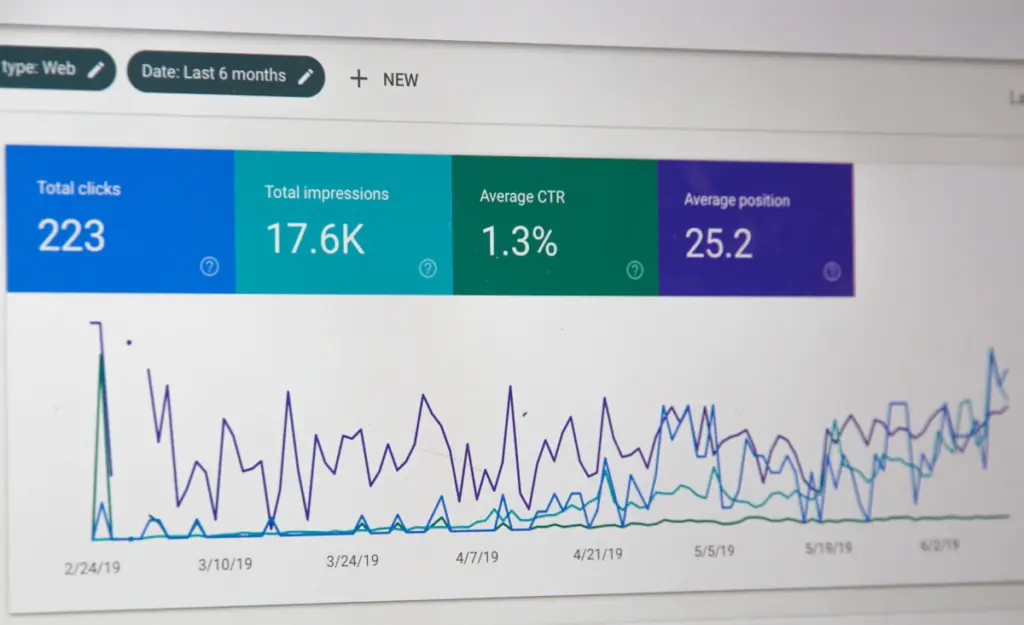
Track relevant impressions, clicks, qualified leads, sales, and conversions. Compare performance by page and query, annotate major website changes, and allow time to assess results. Traffic changes can have many causes, so do not assume every decline is due to an algorithm update.
8. Prepare content for AI-powered search responsibly
There is no guaranteed formula for inclusion in AI-generated answers. Focus on accurate, specific, well-organized information, clear sourcing, and a site that search systems can access. Keep important facts consistent across your website and other legitimate business profiles. Measure referral traffic and conversions where analytics data is available.
SEO priorities for your business
Start with a technical review, identify pages that already attract relevant visitors, improve the content that best supports customer decisions, and build a consistent measurement process. Avoid promises of guaranteed rankings or instant results: SEO outcomes depend on competition, site condition, content quality, and many other factors.
Explore our SEO services and SEO packages, or contact QHR Solutions to discuss your website’s needs.