Google’s November 2024 core update was completed in December 2024. Because this is a past update, the useful question today is how to diagnose a historical or ongoing change in search performance—not to assume that every decline was caused by the update. Core updates reassess how search systems surface helpful results, and there is no single fix that guarantees recovery.
What a core update means
A core update is a broad change to Google’s search systems. Ranking movement can affect different sites and queries in different ways. A change in position does not necessarily mean that a site violated a policy or received a penalty.
1. Review performance data
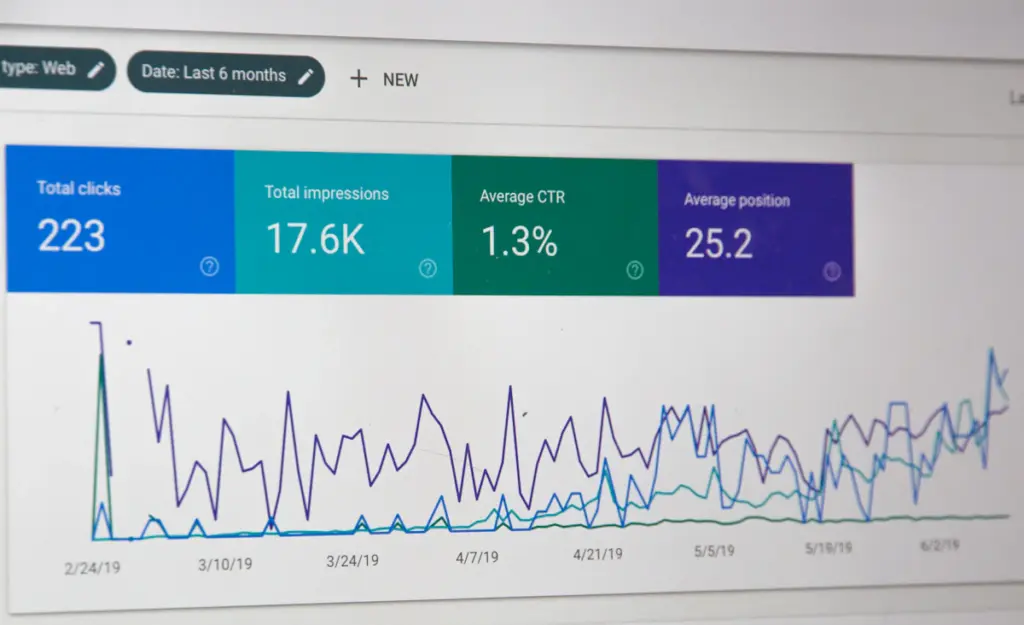
In Google Search Console, compare periods before and after the update. Examine clicks, impressions, average position, and click-through rate by query, page, device, and country. Account for seasonality and demand changes, and inspect whether the change affects the whole site or a specific group of pages.
2. Evaluate whether pages satisfy the search intent
Review important pages as a reader would. Are answers accurate and complete? Does the page add original insight, first-hand experience, or useful examples? Is the title a fair description of the page? Improve the substance where needed instead of adding length or keywords for their own sake.
3. Demonstrate credibility
Make business and author information clear, cite reliable sources for factual claims, and correct outdated material. For sensitive topics, ensure content is appropriately reviewed and qualified. Google’s E-E-A-T framework can help guide quality evaluation, but it is not a single score or direct checklist that guarantees rankings.
4. Check technical health
Verify that important pages return the correct status, can be crawled and indexed, and use appropriate canonical tags. Check internal links, mobile usability, page loading, and unexpected changes to templates or navigation. Use PageSpeed Insights to investigate performance and Google’s Core Web Vitals guidance to understand user-experience metrics.
5. Review links without overreacting
Earn relevant links through useful content, genuine partnerships, and credible coverage. Do not assume that every unfamiliar backlink caused a ranking loss, and avoid indiscriminate disavowal. Review Google’s spam policies if you find evidence of link schemes or other manipulative tactics.
6. Measure improvements over time
Prioritize changes that solve documented problems, record when they are made, and assess results across a suitable period. Search changes can take time to be reflected, and recovery is not guaranteed. Avoid making many unrelated changes at once if doing so would make the results harder to interpret.
For support with content, technical checks, and a measured SEO plan, explore our SEO services or contact QHR Solutions.