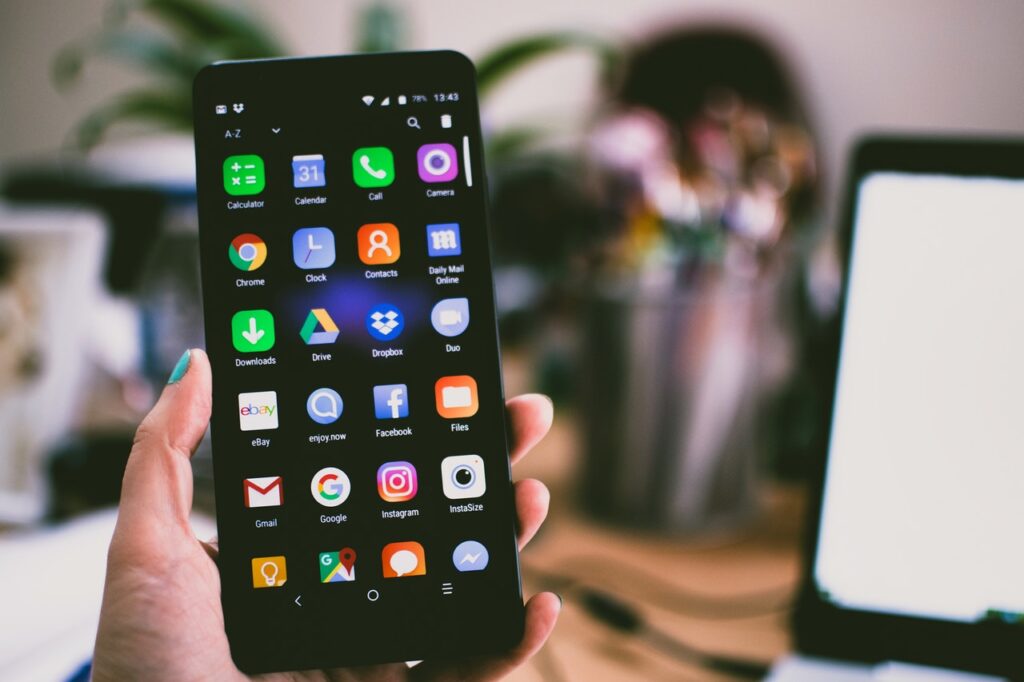
What Is Custom Mobile App Development?
Custom mobile app development is the process of designing and building an application around a business’s specific users, workflows, and goals. Rather than adapting every process to an off-the-shelf product, a business can prioritize the features it actually needs and plan integrations with its existing systems.
A custom app is not automatically cheaper, faster, or more secure than a ready-made solution. The outcome depends on scope, technical complexity, quality assurance, ongoing maintenance, and the experience of the development team.
When Should a Business Consider a Custom App?
- A distinct workflow: Your team or customers need functionality that existing apps do not provide.
- System integrations: The app must exchange information with a CRM, ecommerce platform, inventory system, payment provider, or internal API.
- A tailored customer experience: You need a user journey designed around a particular service or audience.
- Room to scale: You want an architecture that can evolve as product requirements and usage change.
- Operational visibility: Staff or customers need appropriate access to status updates, records, or service information.
If your needs are standard, a well-supported existing product or a low-code solution may be more cost-effective. Compare the total cost of ownership before committing to a custom build.
Key Benefits and Trade-Offs
Workflow fit and efficiency
Purpose-built features can reduce repetitive steps and make common tasks easier. Map the current workflow first so the team can measure whether the app genuinely improves it.
Integration with existing systems
APIs can connect an app with business software, but integration depends on the other system’s capabilities, permissions, data quality, and ongoing compatibility. Confirm these requirements early.
Ownership and flexibility
Agree in writing who owns the source code, design files, cloud accounts, app-store accounts, and documentation. Plan for maintenance and knowledge transfer so the business is not dependent on a single developer.
Security and privacy
Security is not guaranteed simply because an app is custom-built. Use appropriate authentication, access controls, encryption, secure storage, dependency updates, logging, and testing. Collect only the personal data needed and define how long it will be retained.
How to Plan a Custom Mobile App Project
- Define the business outcome. Choose a measurable goal, such as reducing manual processing time, increasing completed bookings, or improving customer self-service.
- Research users. Interview representative users and identify their main tasks, constraints, and accessibility needs.
- Prioritize an MVP. Separate essential launch features from ideas that can wait until after real user feedback.
- Choose the platform and approach. Decide whether iOS, Android, cross-platform development, or a responsive web app best fits your audience and budget.
- Plan integrations and data. Confirm API access, data ownership, migration needs, and third-party service costs.
- Prototype and test. Review key screens with users, then test functionality, performance, accessibility, and security before release.
- Plan launch and maintenance. Budget for monitoring, bug fixes, OS compatibility, backups, support, and future improvements.
What Affects Development Cost and Timeline?
There is no reliable universal price or timeline for a custom app. The estimate depends on platform count, number and complexity of features, design requirements, integrations, security or compliance needs, third-party services, testing, and post-launch support. Ask for a written scope with assumptions, milestones, acceptance criteria, exclusions, and a process for handling change requests.
Questions to Ask an App Development Partner
- Can you show relevant projects or explain how you solved a similar problem?
- Who will own the code, accounts, and project assets?
- How will you handle security, testing, documentation, and accessibility?
- What is included in the estimate, and what may cost extra?
- How will progress be demonstrated and changes approved?
- What support is available after launch?
Useful Official Resources
- Android Developers for Android platform documentation.
- Apple Developer for iOS development and distribution guidance.
- OWASP Mobile Application Security for mobile app security guidance.
Explore more practical advice on website and development topics, or contact QHR Solutions to discuss your project requirements.