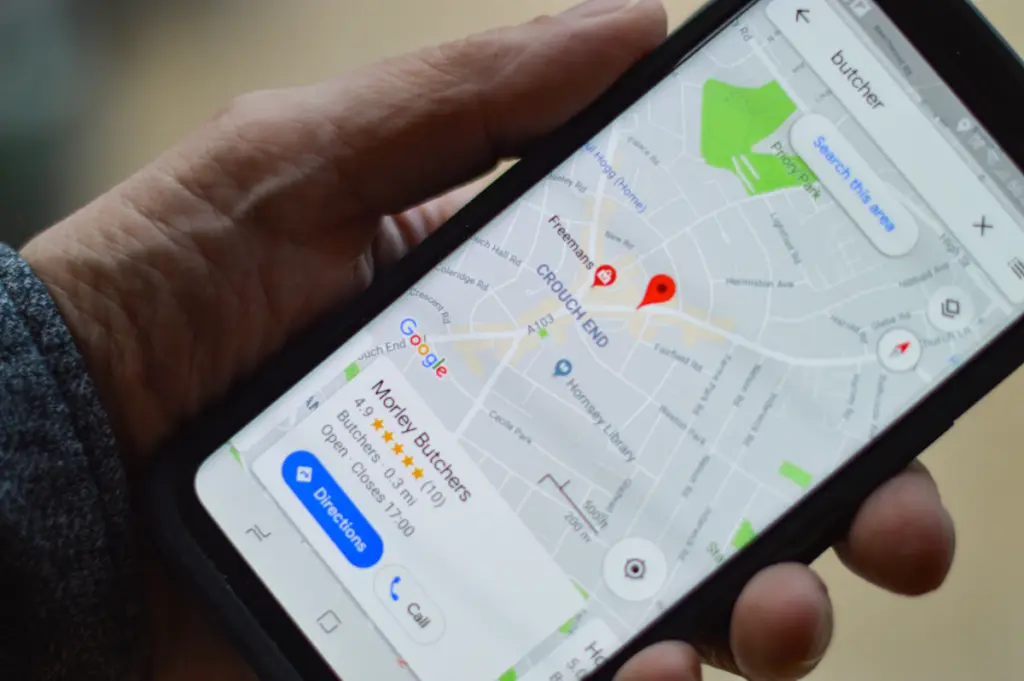
Local SEO helps businesses become easier to discover when people search for nearby services or businesses in a specific area. It can be especially useful for service providers, clinics, shops, restaurants, and professionals whose customers come from a defined geographic area.
Local visibility depends on several factors, including relevance to the search, distance, and how prominent or well-known a business appears. No agency can guarantee a specific position in Google Maps or local search results.
1. Keep Your Google Business Profile Accurate
Claim and verify the profile where eligible, then use the most appropriate business category, accurate hours, contact details, service information, and genuine photos. Our Google Business Profile setup guide explains the process step by step. Keep details updated when the business changes. Follow Google’s rules and do not create duplicate profiles or use an address where the business is not eligible to appear.
Get started through the official Google Business Profile site.
2. Make Your Website Clear About Services and Locations
Explain what you do, who you serve, and how customers can contact you. If you serve multiple areas, create location pages only where you can provide useful, distinct information about your service in that area. Avoid generating many near-identical pages that only swap city names.
3. Keep Business Information Consistent
Use accurate business name, address, phone number, and opening hours across your website and important directories. Update old listings when details change. Consistency helps customers verify the business, but it does not replace relevance or a useful website.
4. Ask for Genuine Customer Reviews
Invite customers to share honest feedback and respond professionally to positive and negative reviews. Do not buy reviews, fabricate customer experiences, or offer prohibited incentives. Never disclose private customer details in a public response.
5. Publish Helpful Local Content
Answer questions that matter to local customers, such as service availability, booking steps, project preparation, or factors that affect pricing. Use local terminology naturally and make sure the content reflects actual experience and service capability.
6. Improve Mobile Usability
Many local searches happen on phones. Make the phone number, address or service area, opening hours, and enquiry options easy to find. Test tap-to-call links, forms, page speed, and navigation on mobile devices.
7. Use Structured Data Where Appropriate
Relevant LocalBusiness structured data can help search engines interpret business details when it accurately matches visible page content. Validate markup and keep it consistent with the information customers see. Structured data does not guarantee rich results or a higher local ranking.
See Google’s LocalBusiness structured data documentation for implementation details.
8. Measure the Results
Use Google Business Profile performance data where available, Search Console, analytics, call tracking where appropriate, and your CRM or enquiry records. Track meaningful outcomes such as qualified calls, direction requests, bookings, and leads—not just impressions or rankings.
Local SEO Checklist
- Business Profile is claimed, verified, and accurate.
- Website explains services and real service areas.
- Contact details and hours are current.
- Reviews are genuine and responses are professional.
- Local pages provide distinct, useful information.
- Mobile experience and enquiry paths work correctly.
- Results are reviewed using leads and customer actions.
Final Thoughts
Effective local SEO starts with accurate business information, relevant services, useful local content, and a good customer experience. Build trust through genuine reviews and measure whether visibility turns into real enquiries. For additional guidance, read our local SEO checklist or contact QHR Solutions.