SEO usually takes time because search engines need to discover and process changes, while websites compete with other useful results for the same searches. There is no universal date when SEO begins working. The timeline depends on the site’s history, technical health, competition, content quality, demand, and the amount of work implemented.
What timeline should you expect?
Google’s guidance says that some SEO changes can take effect quickly, while others may take several months or longer to show meaningful impact. A useful plan separates early implementation checks from longer-term business outcomes. Be cautious of anyone guaranteeing a specific ranking or deadline.
What affects the timeline?
- Website history: a new domain often needs time to build useful content and a reliable presence, while an established site may already have search visibility.
- Technical condition: crawl blocks, accidental noindex rules, server errors, or poor site architecture can prevent important pages from being discovered.
- Competition and intent: highly competitive queries usually require stronger content and authority than narrow, specific searches.
- Content usefulness: pages need to answer the searcher’s question better or more clearly than available alternatives.
- Implementation: recommendations have little effect if they are not implemented correctly or measured.
What should you measure first?
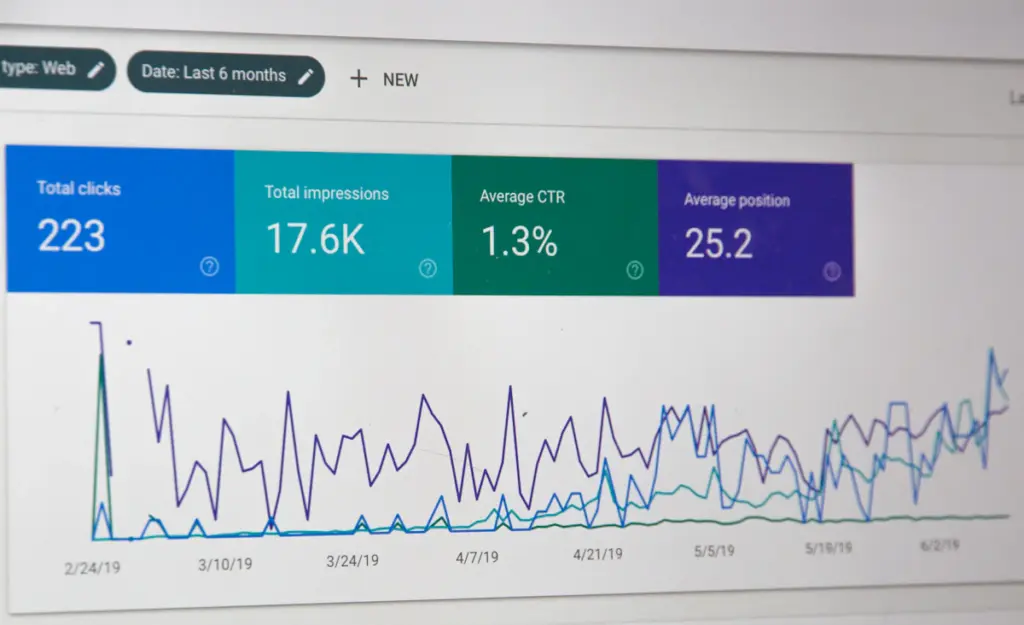
In the early stages, verify that technical fixes are live, important pages are accessible, and search engines can discover the content. Then monitor Search Console impressions, clicks, queries, landing pages, and indexing reports. As data accumulates, connect search traffic to qualified enquiries, purchases, and revenue through analytics and CRM reporting where available.
Rankings fluctuate and should not be the only success measure. Compare performance over appropriate periods and account for seasonality, brand demand, market changes, and tracking issues.
A sensible SEO work plan
- Start with diagnosis: audit technical issues, current performance, search intent, and competing pages.
- Fix blockers: address crawlability, indexing, broken templates, and important usability issues.
- Improve key pages: update content, page titles, internal links, and calls to action based on evidence.
- Build topical coverage: publish genuinely useful supporting content where it answers additional customer questions.
- Review and refine: assess performance regularly and prioritize changes that support measurable goals.
Why SEO reports need context
Meaningful reporting explains what work was completed, what changed in the data, what may have influenced it, and what happens next. It should not promise that every keyword will reach the top of Google. A credible provider will explain uncertainty and focus on improvements that the business can actually influence.
See our SEO services, review the available SEO packages, or contact QHR Solutions to discuss realistic goals for your website.
Conclusion
SEO is a continuing process, not a one-time switch. Set expectations around the site’s starting point, the work being delivered, and the outcomes being measured. Track early technical progress separately from longer-term growth in qualified traffic and conversions.