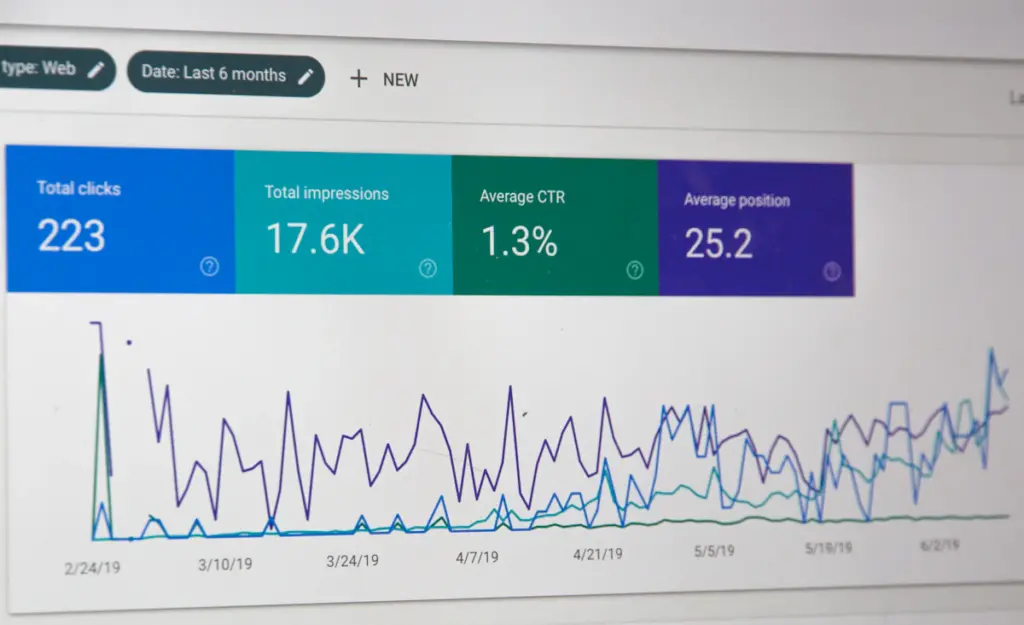
Technical SEO helps search engines discover, crawl, interpret, and index the pages you want people to find. It also supports a reliable user experience. A technically sound website cannot guarantee rankings, but technical issues can prevent valuable content from being accessed or understood correctly.
1. Check crawlability and indexation
Review robots.txt, XML sitemaps, page status codes, meta robots directives, and canonical tags. Make sure important pages are accessible to crawlers and are not accidentally marked noindex. A sitemap should contain canonical URLs you want considered for indexing, not every URL your CMS generates.
Use Google Search Console’s URL Inspection and Page Indexing reports to investigate specific URLs. Remember that inclusion in a sitemap is a hint, not a guarantee of indexing.
2. Use clear site architecture
Organize pages around meaningful categories and user tasks. Important pages should be reachable through crawlable internal links, with descriptive anchor text that explains the destination. Fix broken internal links and avoid orphan pages that have no useful links pointing to them.
3. Manage duplicate URLs and canonicalization
Tracking parameters, filters, pagination, and alternate versions can create multiple URLs for similar content. Use consistent internal links and appropriate canonical tags to communicate the preferred version. Do not canonicalize genuinely different pages to one URL just to reduce duplication.
4. Review redirects and status codes
Use permanent redirects when a page has genuinely moved for the long term, update internal links to point directly to the destination, and avoid redirect chains. A missing page should return an appropriate status code; do not redirect every removed URL to the homepage if the destination is unrelated.
5. Improve mobile usability and performance
Make sure content and important links are available on mobile devices and that pages work across common browsers. Optimize image delivery, reduce unnecessary scripts, reserve space for media, and test key templates using PageSpeed Insights. Review the metrics and field data rather than chasing a score in isolation. For a step-by-step approach, see our guide on testing and measuring website performance. See Google’s Core Web Vitals guidance.
6. Implement structured data carefully
Use supported structured data only when it accurately describes visible page content. Validate it with relevant testing tools and fix errors that matter for the intended result. Structured data can make a page eligible for enhanced search features, but does not guarantee display or improved rankings.
7. Keep security and reliability in view
Maintain HTTPS, renew certificates, update your CMS and extensions, back up your site, and monitor server errors. Investigate sudden spikes in 5xx errors or unexpected changes to page content and redirects.
8. Prioritize fixes by impact
Start with issues affecting important pages: accidental noindex rules, blocked resources, server errors, broken templates, incorrect canonicals, and navigation problems. Then address performance and lower-impact cleanup. Document changes and monitor Search Console and analytics afterward.
For help with implementation, explore our technical SEO services, SEO services, or contact QHR Solutions.
Conclusion
Technical SEO is an ongoing process of making important pages accessible, consistent, and reliable. Audit regularly, prioritize based on evidence, and verify fixes rather than assuming that every technical recommendation will produce an immediate ranking increase.