SEO continues to evolve as search engines improve how they interpret queries, assess content quality, and present information. The useful response for businesses is not to chase every trend or algorithm rumour; it is to build a technically sound website, publish original and trustworthy content, and make it easy for visitors to take the next step.
This guide covers the SEO priorities businesses should focus on in 2026. It replaces the original 2024 trend list, which included outdated framing and an incorrect reference that confused Google’s BERT language model with Gemini.
1. Create helpful, original content
Answer the audience’s real questions with clear explanations, practical steps, examples, and insights based on your experience. Avoid publishing generic pages that repeat the same information as competitors. Google’s guidance explains how to assess helpful, reliable, people-first content.
2. Prepare content for AI-powered search experiences
AI-powered search features can synthesize information from multiple sources. There is no special phrase, schema type, or guaranteed tactic that ensures citation in an AI answer. Make key information easy to understand, support factual claims with reliable references, use descriptive headings, and provide unique value that gives readers a reason to trust your page. See Google’s guide to generative AI features in Search.
3. Strengthen technical SEO
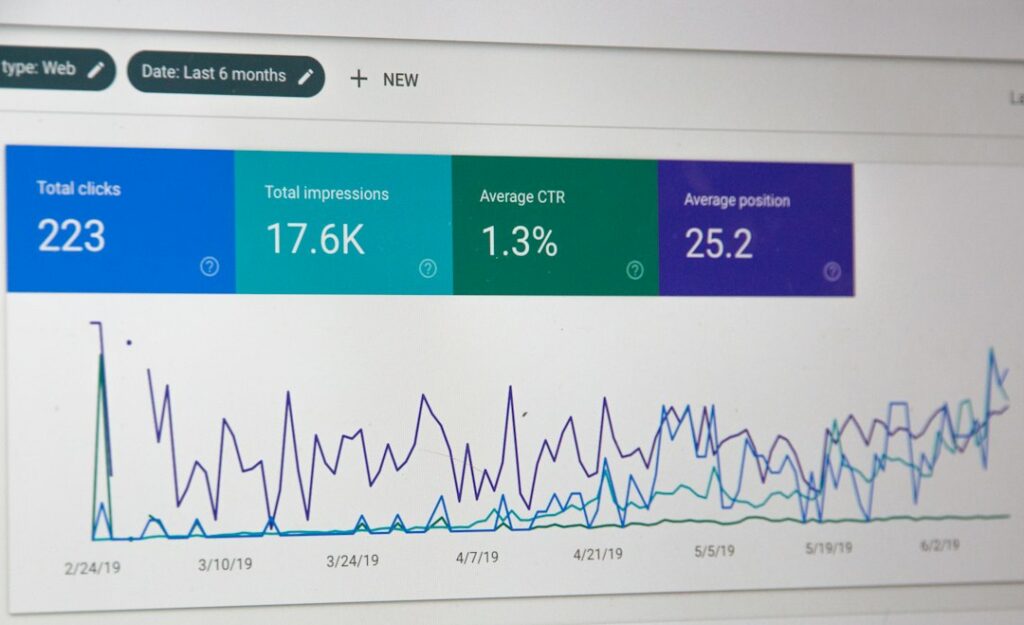
Check crawlability, indexability, canonical URLs, redirects, XML sitemaps, mobile usability, and internal links. Use Google Search Console to investigate indexing and search performance instead of relying on third-party estimates alone.
4. Improve page experience and performance
Make pages fast, stable, accessible, and easy to use on mobile devices. Monitor Core Web Vitals and fix issues that materially affect the visitor experience. Performance matters, but it cannot compensate for content that does not answer the query.
5. Build topic coverage with useful internal links
Organize related articles around the questions customers ask before choosing a service. Link between relevant guides and service pages using descriptive anchor text, and make sure every link genuinely helps the reader. For example, businesses researching organic visibility can explore our SEO services and SEO packages.
6. Use structured data accurately
Implement relevant structured data when supported and appropriate, and make sure it matches visible page content. Valid markup can help search engines interpret information and may enable eligible search appearances, but it does not guarantee rankings or AI citations. Follow Google’s structured data guidelines.
7. Invest in local SEO where location matters
For businesses serving a geographic area, keep the Google Business Profile accurate, maintain consistent contact details, collect genuine customer reviews, and create genuinely useful location-specific information. Do not create near-identical city pages that offer no distinct value.
8. Demonstrate experience and trust
Make authorship clear, keep service claims accurate, cite original sources for technical announcements, and use real case studies only when you have evidence and permission to share them. Trust is built through transparency and useful work—not by repeating the phrase E-E-A-T.
9. Measure business outcomes, not rankings alone
Track qualified organic leads, conversions, engagement with key pages, and the search queries that attract relevant visitors. Rankings and impressions are useful diagnostics, but they are not the final business outcome. Use analytics and Search Console data to prioritize improvements.
10. Keep content current for a real reason
Review pages that discuss changing products, policies, prices, tools, and search features. Correct factual errors and add meaningful new information when necessary. Do not change dates or rewrite a page superficially just to make it look fresh.
Frequently asked questions
Does AI-generated content automatically rank poorly?
No. The important question is whether the content is useful, accurate, original, and created to help people. Automatically producing large volumes of low-value pages to manipulate rankings is a different matter.
Does Google prefer long articles?
There is no universal preferred word count. Write enough to satisfy the reader’s intent, and remove repetition that adds no value.
Can a business guarantee AI search visibility?
No. Search and AI systems choose which sources to show based on their own systems and the query. A sound SEO foundation can improve discoverability, but no agency can guarantee a citation or ranking.
Conclusion
Strong SEO in 2026 depends on helpful content, sound technical foundations, clear information architecture, trustworthy sourcing, and measurement tied to business outcomes. If your website needs an audit or a practical growth plan, explore our SEO services, review our website packages, or contact QHR Solutions to discuss your goals.